Imran Khan: From Cricket Legend to National Leadership & Struggle
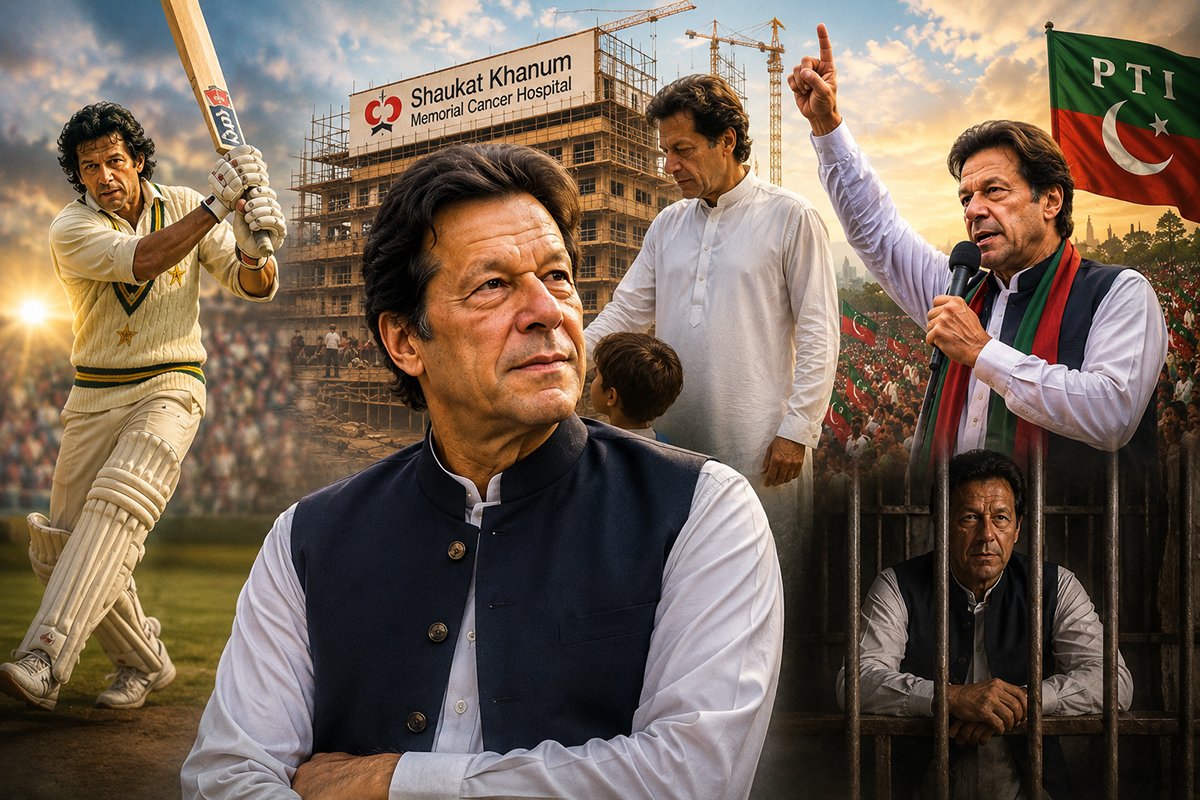
Imran Khan is one of the most prominent figures in Pakistan’s history, having left an indelible mark across sports, social welfare, and national politics. His journey spans over five decades—evolving from a prodigiously talented fast bowler to a World Cup-winning captain, a visionary philanthropist, the 22nd Prime Minister of Pakistan, and a political leader enduring imprisonment for his cause.
1. Early Life & Education
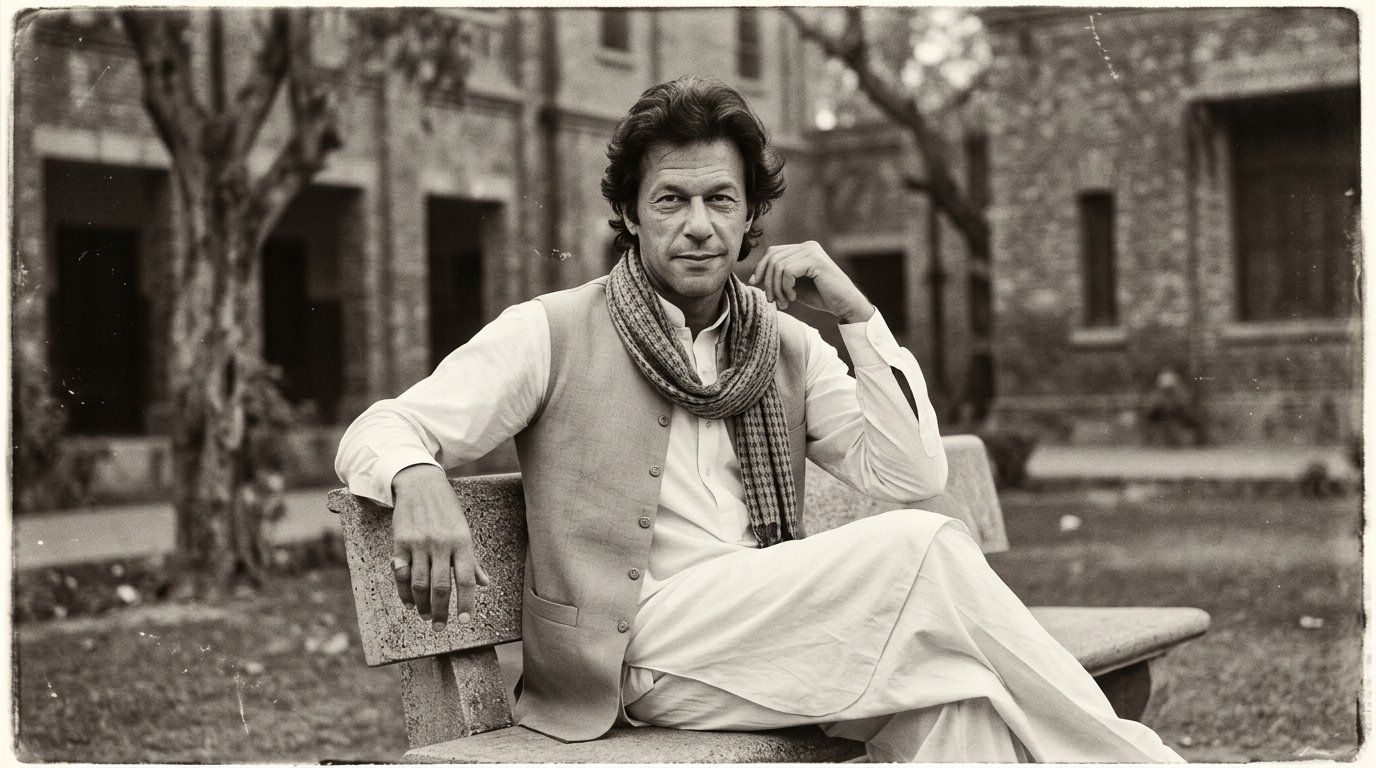
Imran Ahmad Khan Niazi was born on October 5, 1952, in Lahore, Pakistan, into an affluent Pashtun family. His father, Ikramullah Khan Niazi, was a civil engineer, while his mother, Shaukat Khanum, belonged to a family with a rich cricketing heritage. Imran Khan is the only son among five siblings.
Educational Background:
Early Schooling: He received his initial education at Aitchison College in Lahore and Cathedral School.
Higher Studies in the UK: He attended the Royal Grammar School in Worcester, England, to pursue higher studies.
Oxford University: In 1972, he enrolled at Keble College, Oxford, graduating in 1975 with an Honors degree in Philosophy, Politics, and Economics (PPE).
During his time at Oxford, he also captained the university’s cricket team while maintaining his academic commitments.
2. Cricket Career & World Cup Triumph
mran Khan made his international debut for Pakistan at the age of 18 against England at Birmingham in 1971. Over the next two decades, he established himself as one of the world’s premier all-rounders.
Career Statistics & Achievements:
Career Span: 1971 to 1992 (21 years).
Test Cricket: Played 88 matches, scoring 3,807 runs (average 37.69) and taking 362 wickets (average 22.81).
One Day Internationals (ODIs): Played 175 matches, scoring 3,709 runs and taking 182 wickets.
Global Icon: He was recognized globally as one of the “Great Four” world-class all-rounders of his era alongside Kapil Dev, Richard Hadlee, and Ian Botham.
The 1992 World Cup Victory:
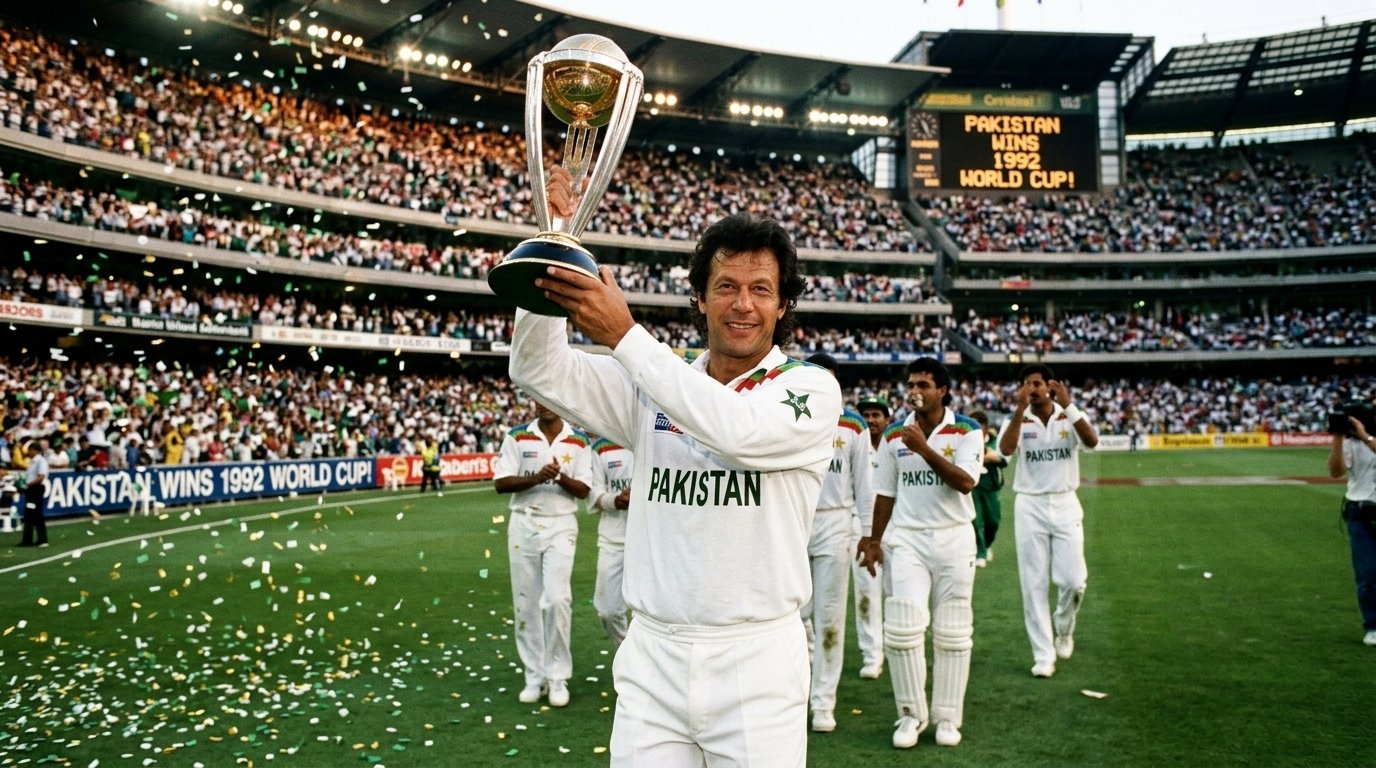
Imran Khan’s greatest sporting achievement came in the 1992 Cricket World Cup. Despite playing with a severe shoulder injury, he captained an under-dog Pakistani side to victory at the Melbourne Cricket Ground, defeating England in the final. His famous 72-run effort in the final sealed Pakistan’s first-ever ODI World Cup trophy, after which he retired from professional cricket.
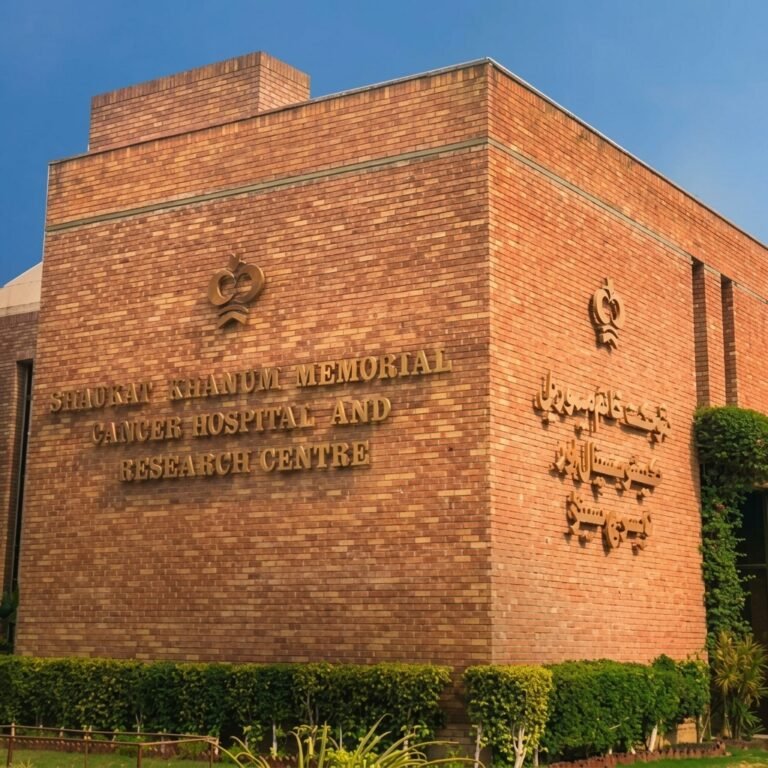
3. Shaukat Khanum Memorial Cancer Hospital (SKMCH&RC)
In 1985, Imran Khan lost his mother, Mrs. Shaukat Khanum, to cancer. Moved by her suffering and the lack of specialized cancer care in Pakistan, he resolved to build the country’s first dedicated cancer hospital where underprivileged citizens could receive free treatment.
Hospital Network & Mission:
Lahore Hospital: Built through a nationwide campaign that raised millions from citizens and overseas Pakistanis, the first hospital opened on December 29, 1994, in Lahore.
Peshawar Hospital: To cater to patients in Khyber Pakhtunkhwa, the second facility was inaugurated on December 29, 2015, in Peshawar.
Karachi Facility: A third mega-facility is undergoing completion in Karachi.
Free Healthcare: Over 75% of cancer patients at SKMCH&RC receive complete, state-of-the-art treatment free of charge.
4. Political Journey & PTI
Following his achievements in cricket and philanthropy, Imran Khan turned his focus toward political reform and systemic accountability.
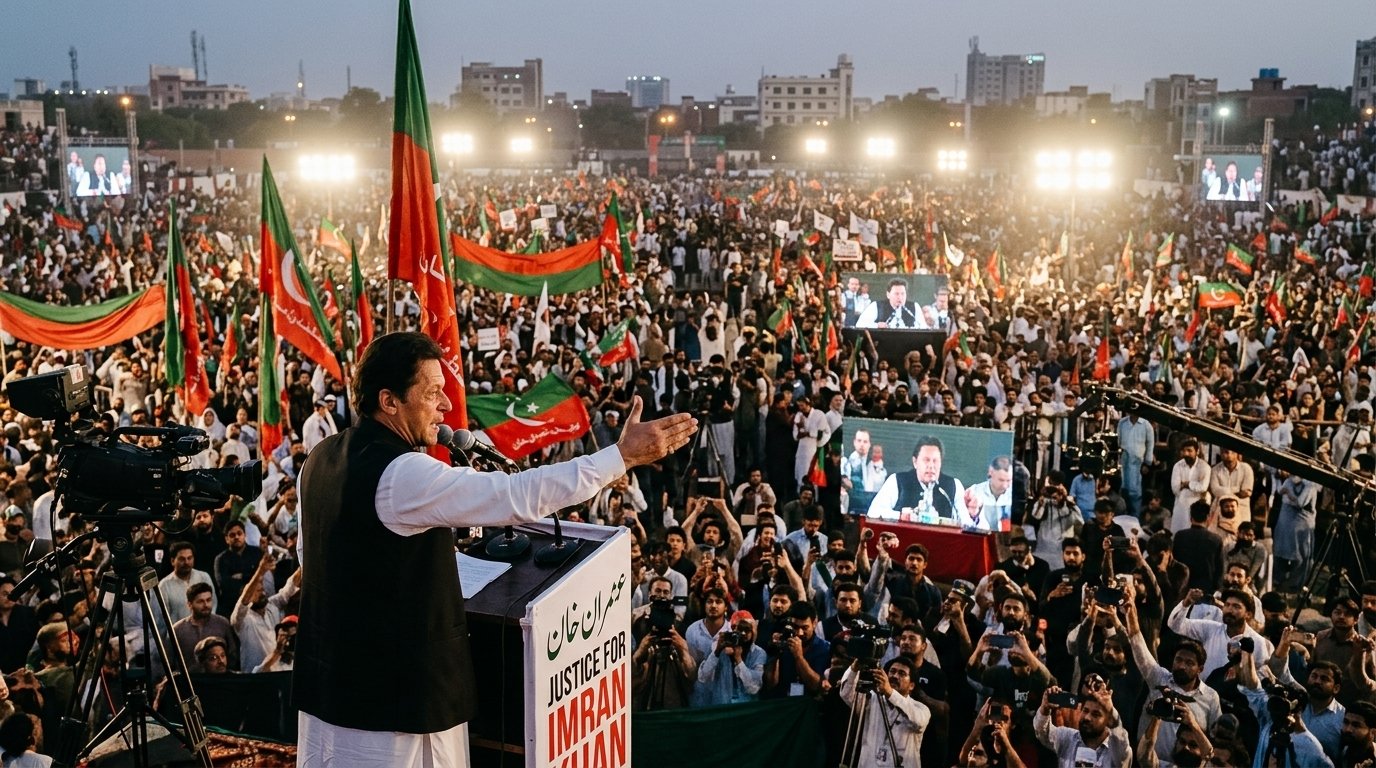
Founding PTI: On April 25, 1996, he founded the political party Pakistan Tehreek-e-Insaf (PTI) or Pakistan Movement for Justice.
Early Political Struggles: For over 15 years, PTI remained a fringe party. In 2002, Imran Khan was elected as the sole Member of the National Assembly (MNA) from his constituency in Mianwali.
The 2011 Breakthrough: On October 30, 2011, a historic rally at Minar-e-Pakistan, Lahore, propelled PTI into mainstream national politics as a dominant political force.
Political Tenure: Imran Khan has dedicated over 30 years to political campaigning and governance.
5. Tenure as Prime Minister
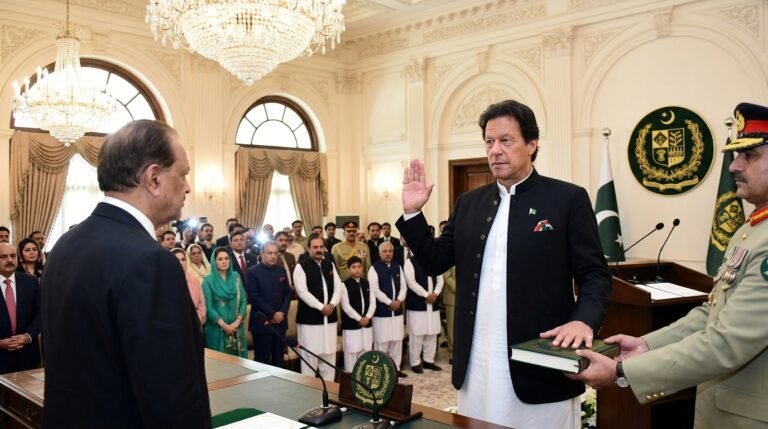
Following the 2018 General Elections, Imran Khan took the oath as the 22nd Prime Minister of Pakistan on August 18, 2018.
Governance & Term:
Duration in Office: August 18, 2018, to April 10, 2022 (approx. 3 years and 8 months).
Key Focus Areas: Social welfare initiatives (Sehat Sahulat Card, Ehsaas Program), environmental conservation (Ten Billion Tree Tsunami), and independent foreign policy.
Vote of No-Confidence: On April 10, 2022, he became the first Pakistani Prime Minister to be removed from office via a parliamentary vote of no-confidence.
6. Detention & Legal Challenges
Following his removal from power, Imran Khan launched nationwide public campaigns calling for early elections.
Detention Timeline:
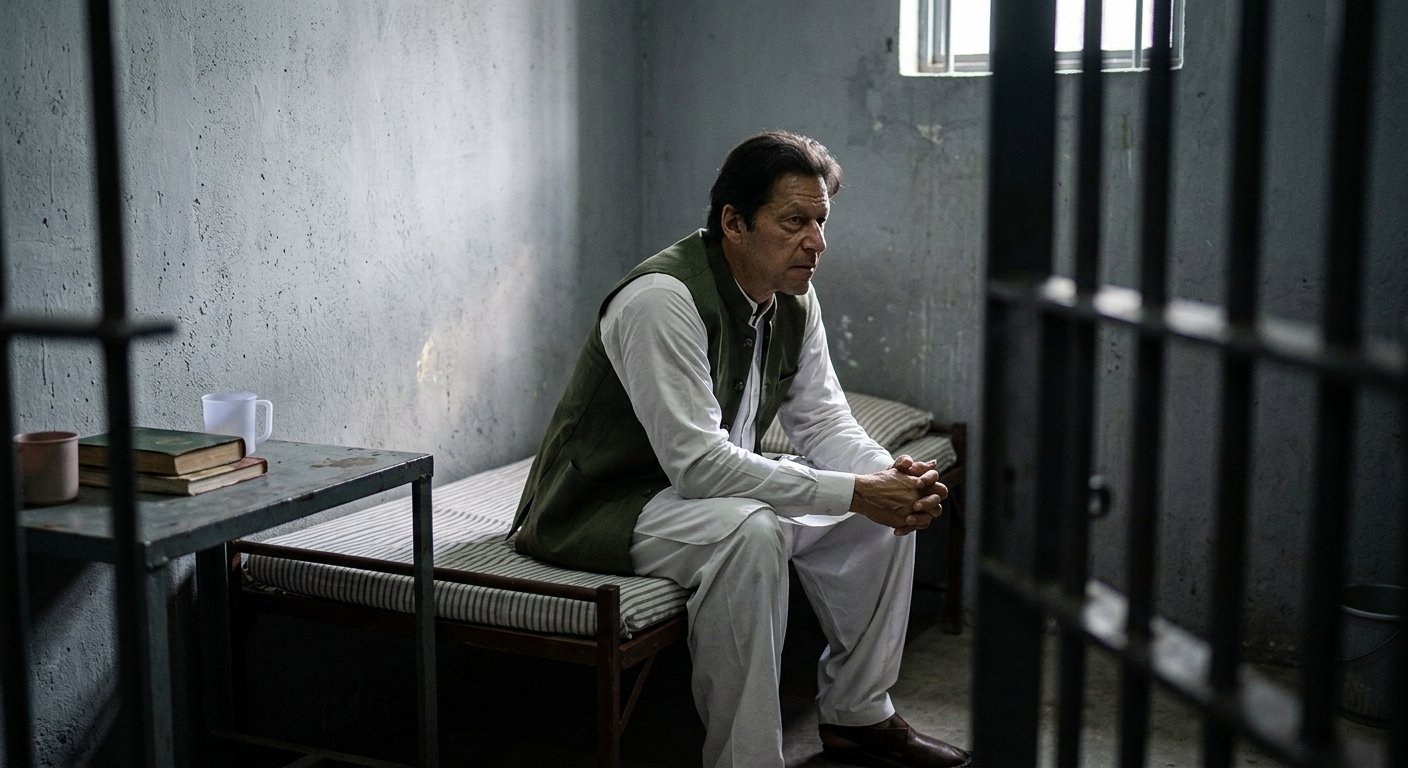
Date of Arrest: He was arrested on August 5, 2023, and subsequently incarcerated in Adiala Jail, Rawalpindi.
Legal Cases: Over 200 legal cases were registered against him across Pakistan, covering various charges ranging from political rally violations to anti-corruption cases.
Summary
Imran Khan’s life represents a transition from an international sportsman to an institution builder and national political leader. Through his sporting success, the establishment of Shaukat Khanum Hospital and Namal University, and his political platform, his narrative remains central to contemporary discourse in Pakistan.